


Male Infertility: Identifying Causes, Finding Solutions
Understanding male fertility
Infertility is not just a “female issue.” In nearly half of all cases, male factors play a central role—due to poor sperm quality, hormonal imbalances, anatomical issues or genetic conditions. Yet, male infertility still carries a heavy stigma. At IVF Dresden, we provide a safe, expert environment to help men understand their reproductive health—without shame, with science and support.
What Is Male Infertility?
Definition and prevalence
Male infertility is diagnosed when no pregnancy occurs after 12 months of regular, unprotected intercourse, and a medical evaluation shows the issue lies (at least partly) with the male partner.
📊 According to the German IVF Registry, 30–40% of infertility cases are due solely to male factors; in another 20–30%, both partners are affected.
Symptoms of Male Infertility
Often invisible, sometimes subtle
Most men with fertility problems have no obvious symptoms. However, certain physical or hormonal changes may indicate impaired fertility:
- Erectile dysfunction or low libido
- Swelling or pain in the testicles
- Low semen volume
- Breast enlargement, muscle loss
- Hormonal signs like acne or reduced body hair
⚠️ These signs are not conclusive, but they warrant medical evaluation.
Common Causes of Male Infertility
Complex, but treatable
Infertility in men can stem from a wide range of biological or environmental factors, often in combination:
Sperm Disorders
Abnormalities in sperm count, movement, or structure are a leading cause.
- Oligozoospermia – low sperm count
- Asthenozoospermia – poor motility
- Teratozoospermia – abnormal sperm shape
- Azoospermia – no sperm present in the ejaculate
These may be caused by other conditions described below.
1. Hormonal Imbalances
The testicles need proper signals from the brain to function.
- Hypogonadism – testicular underactivity
- Pituitary or hypothalamic dysfunction
- Thyroid disorders
2. Anatomical Issues
Structural abnormalities can block or impair sperm transport.
- Undescended testicles (even in childhood)
- Varicoceles (enlarged veins in the scrotum)
- Blocked or missing vas deferens
3. Genetic Factors
Inherited conditions can severely impact sperm production or function.
- Klinefelter syndrome (XXY chromosomes)
- Y-chromosome deletions
- Cystic fibrosis gene mutations
4. Lifestyle and Environmental Factors
External influences also play a major role:
- Smoking, alcohol, drug use
- Overweight and lack of exercise
- Heat exposure (e.g. saunas, hot baths)
- Environmental toxins (pesticides, endocrine disruptors)
- Certain medications (e.g. anabolic steroids, chemotherapy)
How Is Male Fertility Tested?
Quick, discreet, and highly informative
Testing male fertility is usually straightforward and non-invasive. At Kinderwunschzentrum Dresden, the standard workup includes:
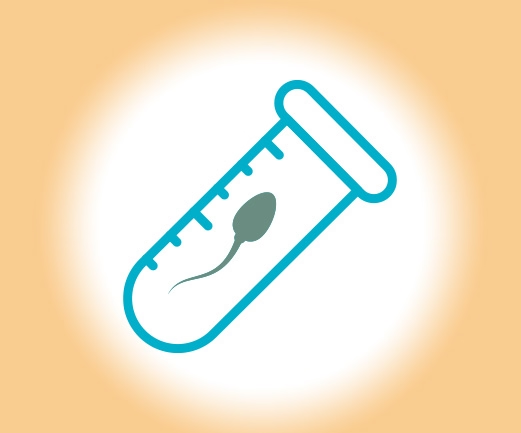
- Semen analysis (spermiogram): sperm count, motility, morphology
- Hormonal blood tests: testosterone, LH, FSH, prolactin
- Scrotal ultrasound: testicle and epididymis assessment
- Genetic screening: especially in azoospermia cases
- Infection testing
- Physical exam:g. checking for varicoceles or ductal blockages
A single appointment with a urologist or andrologist can often yield clear answers.
We also consider psychogenic factors such as stress or performance pressure, which can interfere with reproductive function.
How Long Are Men Fertile?
Age matters—just differently
Unlike women, men do not have a hard fertility cutoff, but sperm quality declines over time.
- DNA fragmentation increases with age
- Risk of genetic mutations and birth defects rises
- From age 40–45, fertility becomes measurably lower
That’s why we recommend early testing for men with a desire to have children.
Treatment Options for Male Infertility
Based on the cause—focused on results
Modern medicine offers various solutions tailored to the underlying problem:
- Hormonal therapy (e.g. for hypogonadism)
- Surgery (e.g. varicocele repair)
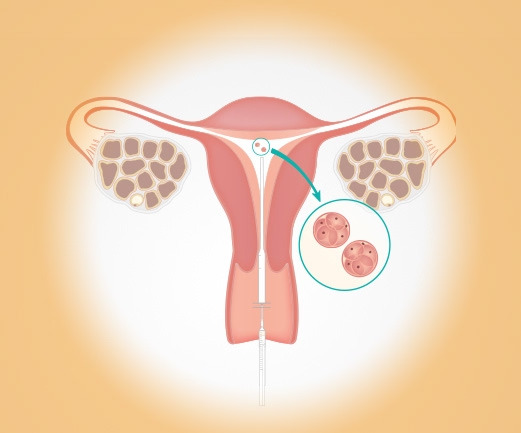
- IUI or IVF for mild-to-moderate impairments
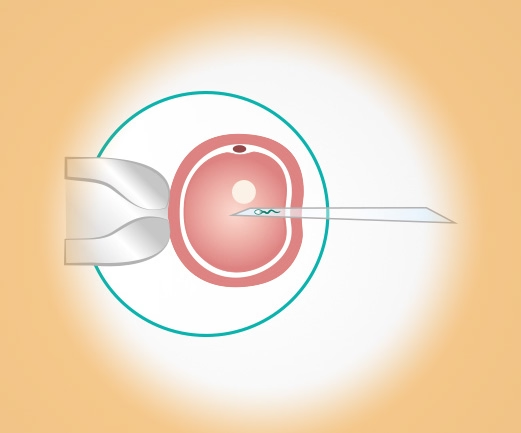
- ICSI – Intracytoplasmic Sperm Injection for severe sperm disorders
- TESE/MESA – microsurgical sperm retrieval in azoospermia
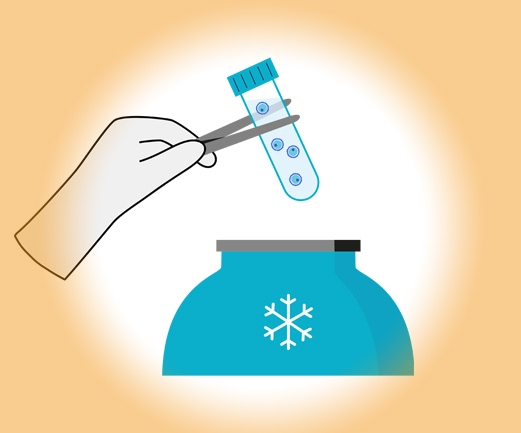
- Sperm cryopreservation before chemotherapy or as age-related precaution
Emotional Support
Infertility can affect male identity, relationships, and emotional health. Feelings of inadequacy, shame, or isolation are common—and valid.
We encourage:
- Honest communication with your partner
- Support from counseling or fertility-specific therapists
- Peer exchange with other affected men
FAQ – Frequently Asked Questions
What are symptoms of male infertility?
Most men show no clear signs. Possible clues include sexual dysfunction, hormonal changes, or abnormal semen analysis. A medical workup brings certainty.
How is male fertility tested?
A fertility check typically includes semen analysis, hormone tests, ultrasound, and (if needed) genetic or infection screening.
How much does a male fertility test cost?
Depending on scope, between €100–300. Many costs are partially covered by health insurance in case of a verified fertility concern.
Can men stay fertile for life?
Theoretically yes—but sperm quality decreases notably after age 40. Early testing is also helpful for men.
Can a man become a father despite infertility?
Yes. Many men with reduced fertility can still father children—with the help of ICSI, TESE, or donor sperm if needed.
Ready to get answers and explore your options? We’re here for you.
At Kinderwunschzentrum Dresden, we offer discreet, evidence-based diagnostics and compassionate guidance—so you can confidently take the next step toward fatherhood.
👉 Book your confidential first consultation via video – easily and securely with Doctolib.
Dresden Fertility Center
in the Wöhrl Plaza
Prager Str. 8a
01069 Dresden
Phone +49 351 501 400-0
Fax +49 351 501 400-28
Email:
Instagram Arrange your first appointment NEW: Video consultation! Downloads Impressions

Cryobank in the Kinderwunschzentrum Dresden
Prager Str. 8a
01069 Dresden
Tel. +49 351 50140019
E-Mail:
| Office hours | |
|---|---|
| Mon., Wed., Thu. | 08.00 – 19.00 Hrs |
| Tue. | 08.00 – 13.00 Hrs and 14.30 – 19.00 Hrs |
| Fri. | 08.00 – 14.00 Hrs |
Availability by telephone |
|
| Mon., Wed. | 08.00 – 13.00 Hrs and 14.30 – 18.00 Hrs |
| Tue., Thu., Fri. | 08.00 – 13.00 Hrs |
Blood sampling |
|
| Mon. - Thu. | 08.00 – 17.30 Hrs |
| Fri. | 08.00 – 13.30 Hrs |
On Tuesdays the clinic is closed from 13.00 to 14.30 Hrs! |
|






Service at the Fertility Center Dresden

To the planned child