


Chlamydia and Infertility
When an unnoticed infection affects fertility – guidance and options at Kinderwunschzentrum Dresden
Chlamydia is one of the most common sexually transmitted infections in Germany and worldwide. What makes it particularly dangerous is that it often goes undetected for years – without symptoms but with potential long-term consequences for fertility. Many women and men only learn about a past infection when struggling to conceive. At Kinderwunschzentrum Dresden, we provide accurate diagnostics, tailored treatment, and compassionate support to help you pursue pregnancy, even in the face of chlamydia-related infertility.
What is chlamydia?
Definition and transmission
- A bacterial infection caused by Chlamydia trachomatis
- Most often transmitted through unprotected sexual contact
- Can also be passed from mother to child during birth
Symptoms – often unnoticed
- Around 70–80% of infected women and over 50% of men show no symptoms
- Possible signs: unusual discharge, pain when urinating, lower abdominal pain
- Infection may remain undetected for years
Chlamydia and infertility
How does chlamydia affect fertility?
If left untreated, chlamydia can cause:
- Fallopian tube inflammation (salpingitis)
- Scarring and adhesions of the fallopian tubes
- Tubal blockage
- Chronic inflammation of the uterine lining (endometritis)
These changes interfere with the transport of the egg, making natural conception difficult or impossible.
Likelihood of infertility from chlamydia
- About 10–20% of women with untreated infections develop tubal dysfunction
- Risk increases with repeat infections
- Men may experience reduced sperm quality due to epididymitis (inflammation of the epididymis)
Fertility and pregnancy after chlamydia
Can you get pregnant with chlamydia?
- An acute infection can be treated with antibiotics, restoring fertility potential
- If damage to the fallopian tubes has already occurred, natural pregnancy may be difficult
Fertility treatment options
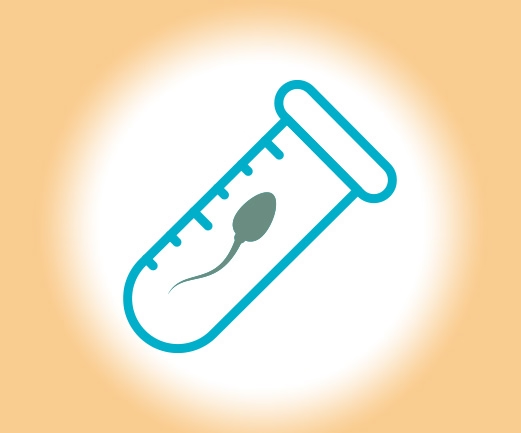
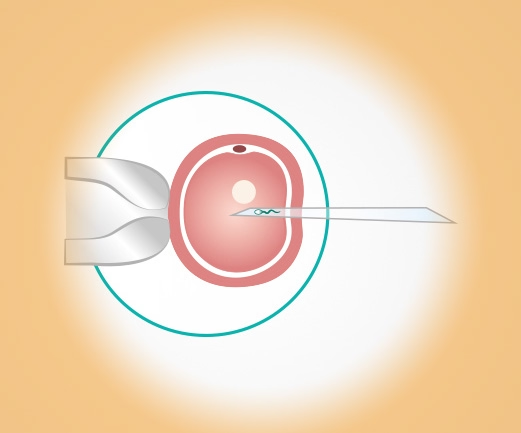
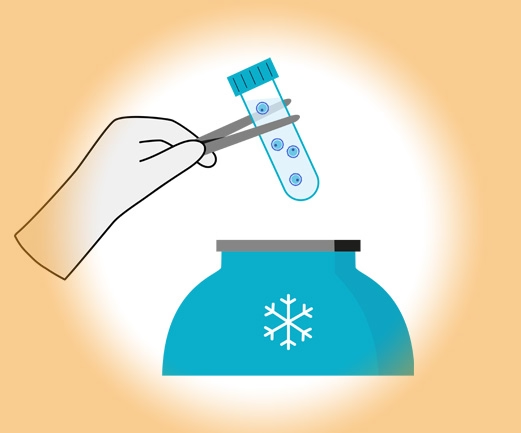
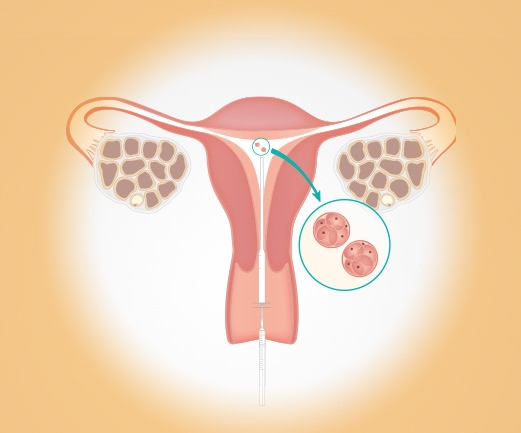
- In vitro fertilization (IVF) or intracytoplasmic sperm injection (ICSI) bypass damaged fallopian tubes
- Success depends mainly on age and egg quality
Diagnostic options
- Blood antibody tests: show previous infections
- PCR tests from swabs or urine: detect current infection
- Hysterosalpingography or laparoscopy: assess whether fallopian tubes are open
Treatment options
Acute infection
- Antibiotics such as doxycycline or azithromycin
- Both partners must be treated simultaneously
Long-term effects of untreated infection
- Damage to the fallopian tubes cannot be reversed
- Fertility treatments such as IVF or ICSI are often necessary to achieve pregnancy
Chlamydia – an underestimated risk
- Around 300,000 new infections per year in Germany (estimates, since not all cases are reported)
- Most common in young women aged 15–25
- The Robert Koch Institute estimates that up to 40% of women with untreated infections experience impaired fertility
Prevention and early detection
- Regular gynecological check-ups
- In Germany statutory health insurance covers an annual chlamydia screening for women under 25
- Consistent condom use as an effective preventive measure
FAQ – Common questions about chlamydia and infertility
How likely is infertility from chlamydia?
Around 1 in 5 women with untreated infection develops fertility problems. Repeat infections significantly increase the risk.
Can you get pregnant after chlamydia?
Yes. If treated early, chances are good. If tubal damage has occurred, IVF or ICSI can make pregnancy possible.
Can chlamydia remain unnoticed for years?
Yes. Most infections are asymptomatic and can persist for a long time without being diagnosed.
How is a chlamydia infection diagnosed?
PCR tests detect current infections; blood antibody tests can show past infections.
Are chlamydia tests covered by insurance?
German statutory health insurance covers one screening per year for women under 25. For older patients this is a self-pay service, unless there is medical indication.
Book your Consultation now
A past chlamydia infection does not necessarily mean the end of your fertility journey. With modern diagnostics and reproductive medicine, pregnancy is still possible. At Kinderwunschzentrum Dresden, we stand by your side with expertise and compassion.
Book your first consultation now – discreetly and conveniently via Doctolib.
Dresden Fertility Center
in the Wöhrl Plaza
Prager Str. 8a
01069 Dresden
Phone +49 351 501 400-0
Fax +49 351 501 400-28
Email:
Instagram Arrange your first appointment NEW: Video consultation! Downloads Impressions

Cryobank in the Kinderwunschzentrum Dresden
Prager Str. 8a
01069 Dresden
Tel. +49 351 50140019
E-Mail:
| Office hours | |
|---|---|
| Mon., Wed., Thu. | 08.00 – 19.00 Hrs |
| Tue. | 08.00 – 13.00 Hrs and 14.30 – 19.00 Hrs |
| Fri. | 08.00 – 14.00 Hrs |
Availability by telephone |
|
| Mon., Wed. | 08.00 – 13.00 Hrs and 14.30 – 18.00 Hrs |
| Tue., Thu., Fri. | 08.00 – 13.00 Hrs |
Blood sampling |
|
| Mon. - Thu. | 08.00 – 17.30 Hrs |
| Fri. | 08.00 – 13.30 Hrs |
On Tuesdays the clinic is closed from 13.00 to 14.30 Hrs! |
|






Service at the Fertility Center Dresden

To the planned child